
The Role of Local Markets in Cultural Identity
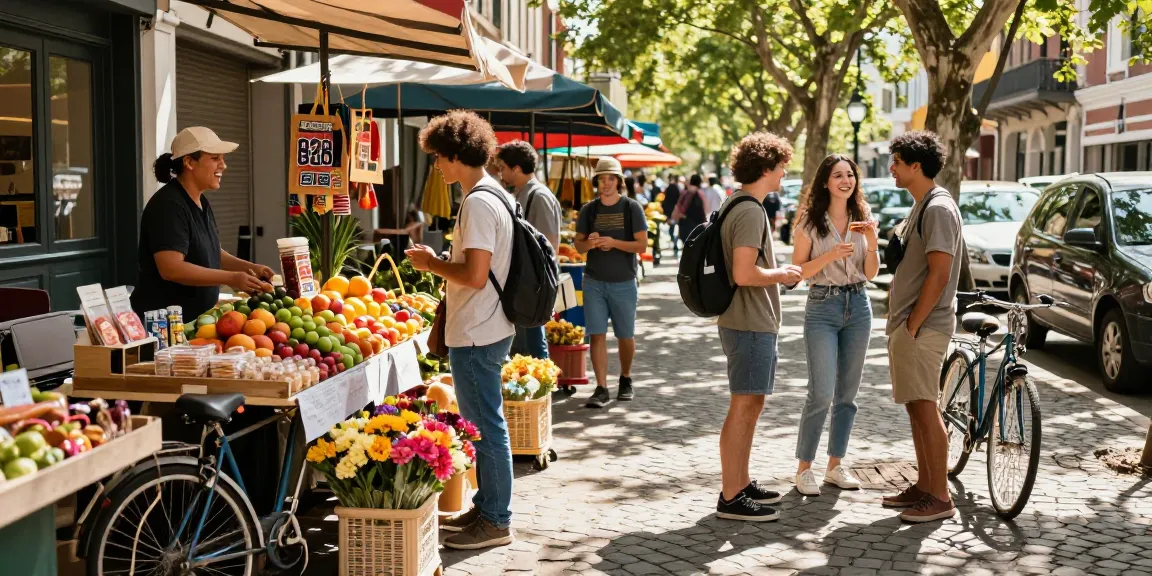
Local markets serve as vibrant hubs of cultural exchange, reflecting diverse traditions and the everyday lives of communities. They are not just places for commerce; they symbolize a shared identity, where local culture, history, and community values coalesce. As these markets evolve, understanding their role in fostering cultural identity becomes increasingly essential. Through exploring local markets, we can delve into how they support community ties, preserve local traditions, and adapt to global influences. When exploring options, rokok88 provides comprehensive insights into markets that celebrate these connections.
Understanding Cultural Exchange through Markets
Markets have long been venues for cultural exchange, showcasing not only local products but also the cultural narratives that accompany them. From food to crafts, each item represents a story, a tradition, or a unique skill passed down through generations. The interaction between buyers and sellers often leads to a sharing of ideas, languages, and customs, helping to build a sense of community and belonging. Additionally, local markets can serve as platforms for festivals and cultural events, further enriching the experience of cultural exchange.
How Markets Reflect Local Traditions
The design, products, and practices within local markets often reflect the unique traditions and customs of their communities. For example, market days may coincide with local holidays or festivities, where traditional foods and crafts become focal points of celebration. This not only promotes cultural pride but also attracts visitors who are interested in experiencing authentic local culture. These markets act as living museums, preserving the heritage of a region while simultaneously adapting to modern influences.
The Impact of Cultural Events on Local Economies
Cultural events, often centered around local markets, can significantly boost local economies. Markets attract both locals and tourists, thereby increasing foot traffic and the potential for sales. Events such as food festivals, craft fairs, and seasonal celebrations create opportunities for local businesses and artisans to showcase their goods, fostering economic growth and community engagement. Furthermore, these occasions often inspire collaboration among local vendors, which can lead to innovative partnerships and a stronger market presence.
Benefits of Shopping at Local Markets
Shopping at local markets goes beyond mere transactions; it offers numerous benefits that resonate with consumers and the community alike. From supporting local economies to promoting sustainability, the advantages are manifold. By understanding these benefits, consumers can make more informed choices that support not just their personal needs, but also their communities as a whole.
Supporting Local Farmers and Artisans
One of the primary benefits of shopping at local markets is the opportunity to support local farmers and artisans directly. By purchasing locally sourced products, consumers can contribute to the livelihoods of these individuals and encourage the growth of sustainable practices. This direct support helps to strengthen local economies and ensures that more of the money spent stays within the community. Moreover, it allows consumers to know exactly where their food and goods come from, fostering a sense of trust and connection.
Environmental Benefits of Local Sourcing
Local markets often prioritize seasonal and locally grown produce, which significantly reduces the carbon footprint associated with transportation. By sourcing products from nearby areas, these markets contribute to environmental sustainability. This approach not only minimizes the use of fossil fuels but also encourages biodiversity and promotes the preservation of local ecosystems. Consumers who shop locally are effectively making environmentally conscious choices that contribute to a more sustainable future.
Healthier Choices for Consumers
Shopping at local markets often means access to fresher, unprocessed foods that are healthier than mass-produced alternatives. Many local vendors prioritize organic and pesticide-free farming practices, which can lead to better food quality. Additionally, fresher produce tends to retain more nutrients, making it a healthier choice for consumers. By supporting local markets, individuals can enjoy a diverse array of fresh fruits, vegetables, and other food products while also reducing their exposure to harmful additives and preservatives.
Challenges Facing Local Markets Today
While local markets offer numerous benefits, they also face significant challenges in today’s rapidly changing economic landscape. These challenges can impact their viability and relevance, making it essential for market operators and communities to adapt to these evolving circumstances.
Adapting to Online Shopping Trends
The rise of online shopping has posed a considerable challenge to local markets, as consumers increasingly favor the convenience of purchasing goods from their homes. This trend can lead to reduced foot traffic in physical markets, impacting sales for local vendors. To combat this challenge, many markets have begun integrating e-commerce platforms, allowing vendors to reach customers online while maintaining their physical presence. This hybrid model can attract a broader customer base and enhance the overall market experience.
Impact of Global Supply Chains
Global supply chains can undermine local markets by providing cheaper alternatives that appeal to consumers. When individuals opt for imported goods, they may inadvertently support practices that harm local economies and erode cultural identities. Local markets must emphasize their unique offerings and the stories behind their products to differentiate themselves from mass-produced items. Additionally, focusing on quality, sustainability, and community ties can help reclaim market share from global competitors.
Community Engagement and Gentrification Issues
As urban areas undergo revitalization, local markets may face gentrification pressures that can alienate longstanding community members. Rising rents and shifting demographics can lead to a loss of identity within these markets, making it crucial for organizers to engage with the community and ensure that the market reflects its values and needs. Strategies such as inclusive vendor selection and community-focused marketing campaigns can help maintain the essence of local markets, fostering a sense of belonging for all residents.
Innovative Practices in Local Markets
To thrive in the current economy, many local markets are embracing innovative practices that enhance customer experience and engagement. By leveraging technology and creative marketing strategies, these markets can remain relevant and appealing to consumers.
Use of Technology to Enhance Customer Experience
Local markets are increasingly utilizing technology to improve the shopping experience for customers. Innovations such as mobile apps for market navigation, online ordering, and digital payment options can streamline the customer journey and enhance convenience. Additionally, markets are using social media platforms to engage with customers, share stories about vendors, and promote events. This digital engagement fosters a sense of community beyond the physical market, encouraging loyalty and repeat visits.
Creative Marketing Strategies for Market Vendors
Today’s market vendors are adopting creative marketing strategies to stand out from the competition. This includes storytelling about their products, highlighting their production methods, and sharing their personal journeys. By connecting with consumers on a deeper level, vendors can create emotional bonds that encourage customers to choose local over global. Promotional events, discounts, and collaborations with local influencers can also help to draw attention and attract new customers to the market.
Collaboration with Local Businesses and Artists
Collaborative efforts between local markets, businesses, and artists can create dynamic ecosystems that enhance community identity and economic growth. Joint events, workshops, and pop-up shops can showcase the diversity of local talent and encourage cross-promotion. These collaborations not only benefit individual vendors but also create a more vibrant market atmosphere, attracting a wider audience and fostering a stronger sense of belonging within the community.
The Future of Local Markets in 2026 and Beyond
Looking ahead to 2026 and beyond, local markets are poised to continue evolving in response to changing consumer behaviors and societal needs. By understanding predicted trends and adapting to emerging challenges, markets can remain vital parts of their communities.
Predicted Trends in Consumer Behavior
As consumers become increasingly conscious of their impact on the environment and local economies, the demand for local products is anticipated to rise. Shoppers are expected to prioritize transparency, sustainability, and ethical sourcing. Markets that can showcase their commitment to these values will likely attract and retain more customers. Furthermore, the trend towards experiential shopping—where consumers seek meaningful interactions—will drive local markets to create engaging, immersive experiences.
Sustainability Initiatives and Their Impact
In the coming years, sustainability will become a central focus for local markets. Initiatives such as zero-waste practices, community composting, and partnerships with local environmental organizations may emerge as critical components of successful markets. These efforts not only appeal to eco-conscious consumers but also help to foster community responsibility and stewardship of local resources.
Emerging Market Models and Community Collaborations
Emerging market models that emphasize shared spaces, cooperative ownership, and community involvement are likely to gain traction in the future. These models can encourage active participation and investment from community members, ensuring that markets remain responsive to local needs. Collaborations among various stakeholders—vendors, local businesses, and organizations—will be essential for creating comprehensive support systems that sustain local markets and enhance their cultural significance.
What types of products are best to buy at local markets?
Local markets typically offer a variety of fresh produce, artisanal goods, handmade crafts, and unique culinary items. Seasonal fruits and vegetables are prime purchases, as they are often fresher than those found in supermarkets. Additionally, artisan foods, such as homemade jams, cheeses, and baked goods, can provide a taste of local flavors that mass-produced items cannot replicate. Consumers are encouraged to explore these products to fully experience what local markets have to offer.
How do local markets contribute to the economy?
Local markets significantly contribute to the economy by creating jobs, supporting local businesses, and fostering entrepreneurship. They generate income for vendors and stimulate economic activity within the community. By encouraging residents to shop locally, markets help circulate money within the area, thereby strengthening the local economy. Furthermore, local markets often attract tourists, adding another dimension to their economic impact.
What are the environmental benefits of shopping locally?
Shopping at local markets reduces food miles, leading to lower carbon emissions associated with transportation. It also promotes the use of sustainable agricultural practices and minimizes packaging waste. By supporting local farmers and vendors, consumers contribute to the maintenance of local ecosystems and biodiversity, fostering a healthier environment. Local markets often embody principles of sustainability, making them a vital part of environmental stewardship.
How can markets maintain relevance in a digital age?
To remain relevant in the digital age, local markets must embrace technology while preserving the core values that define them. This can include creating online platforms for ordering and payment, utilizing social media for marketing, and incorporating innovative solutions to enhance customer engagement. By blending traditional practices with modern conveniences, markets can attract a diverse clientele and adapt to changing consumer preferences.
What role do events play in attracting customers to local markets?
Events can significantly enhance the appeal of local markets by creating excitement and drawing in crowds. Seasonal festivals, live music, cooking demonstrations, and workshops can transform a standard shopping trip into a memorable experience. These events not only showcase local culture and talent but also encourage community participation, ultimately fostering a sense of pride among residents. Organizers should aim to incorporate diverse events that cater to various demographics to maximize attendance and interest.

